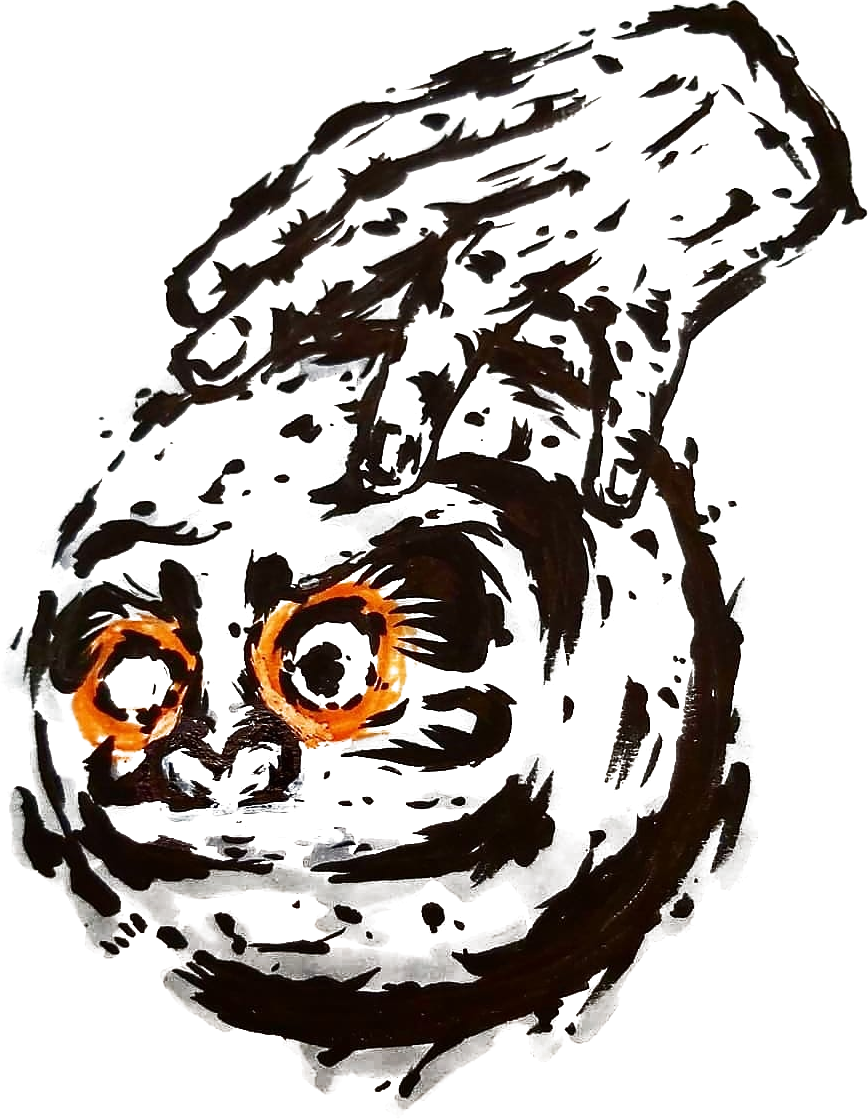
TMD & Orofacial Pain
TMD & Orofacial Pain Physiotherapy
When the symptoms don’t tell the whole story.
Some patients have already:
- Seen a dentist
- Completed dental treatment
- Tried medication
- Received other interventions
Yet the pain, movement restriction or functional problem remains.
This is where a broader perspective can be useful.
Physiotherapist does not replace dental care. It complements it.
Dentists bring expertise in dental, oral and structural considerations. Physiotherapy can contribute another perspective.
- DENTISTS MAY CONSIDER
- Dentition · Occlusion · Oral structures
- Physiotherapy may contribute through
- Movement · Muscle · Joint· Load · Function · Behaviour · Rehabilitation
The question is not: which profession "owns" TMD?
The better question is: what does this patient still need?
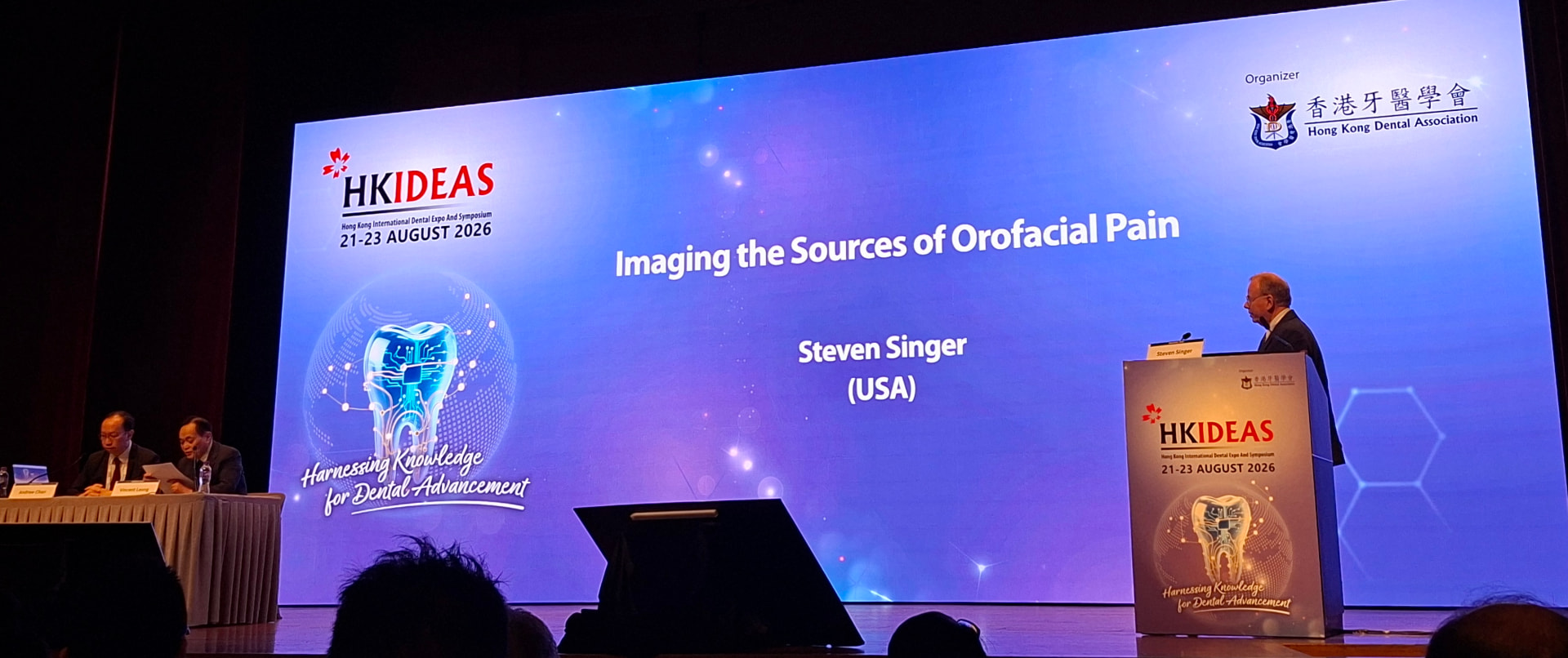
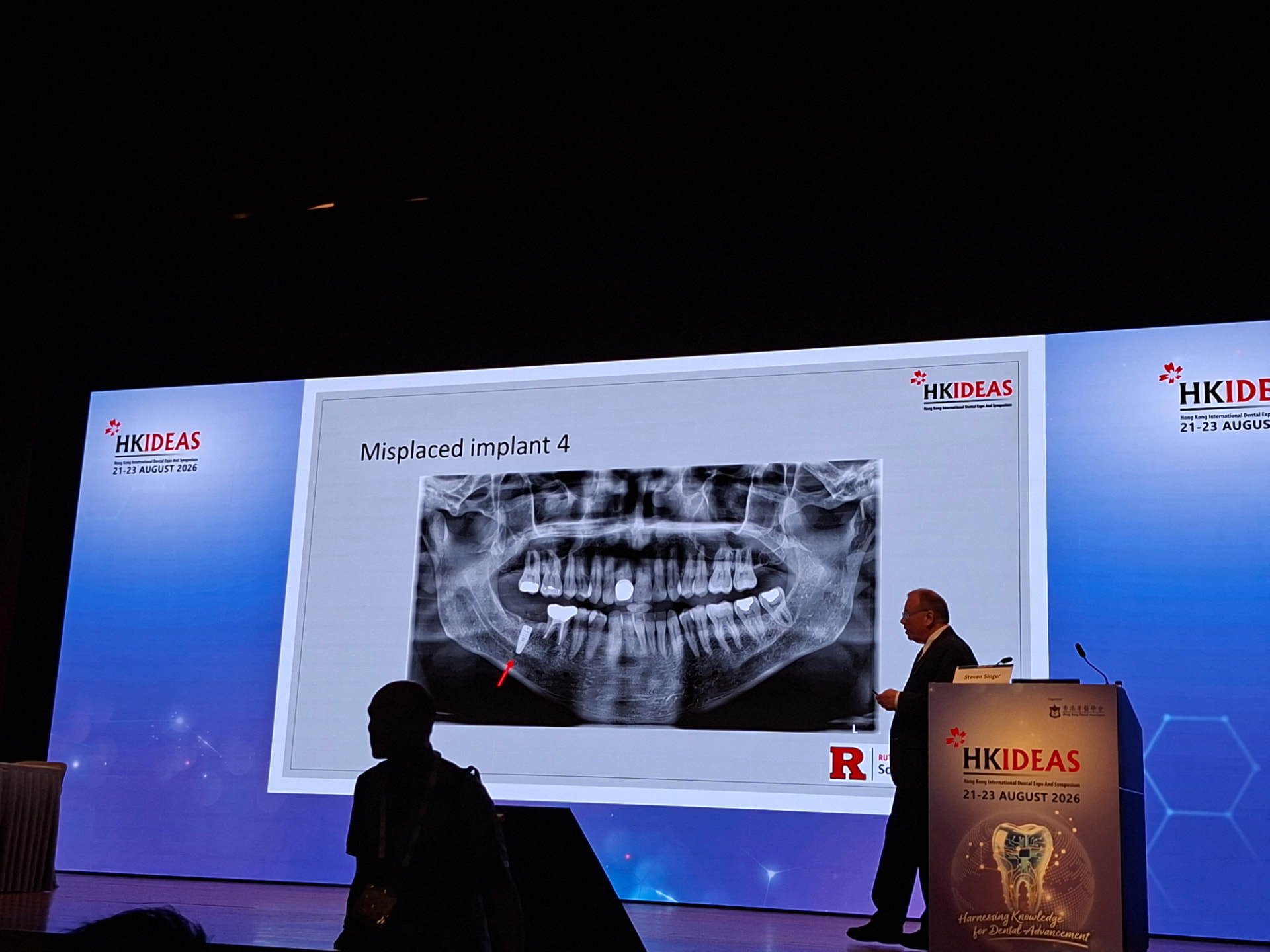
A clinical focus
A Clinical Approach to TMD & Orofacial Pain
TMD and orofacial pain can be difficult to understand because symptoms do not always come from one structure or fit neatly into one diagnosis. My approach is to dive into Musculoskeletal side: the muscle, joint and nerve related to the jaw, cervical region, breathing pattern, posture, underlying pain mechanisms and lifestyle.
I am particularly interested in presentations where symptoms persist despite conventional treatment, or where the relationship between dental, musculoskeletal and other contributing factors is unclear.
I continue to deepen this area through dedicated TMD education, clinical case reflection, literature review, interdisciplinary learning and international mentorship.
How I think about it
TMD does not always follow a simple formula.
- 01
Occlusion, mandible and maxillary structure
- 02
Airway, tongue & swallowing
- 03
Pain mechanism: peripheral vs central driven
- 04
Joint vs Muscle vs Cranial Nerve
- 05
Cervical & Body Posture
- 06
Medical Red Flag & Emergency
TMD & orofacial case studies
Clinical reasoning from the TMJ Clinical Insight series.
Ongoing work
I am building this specialty deliberately.
- TMJ Clinical Insight Series
- Clinical case studies
- Literature reviews
- Clinical reasoning discussions & Study Group
- Professional education
- International professional exchange and mentorship
I am particularly interested in the space between dentistry, physiotherapy and multidisciplinary care.
For dentists and healthcare professionals
Questions I am very interested in discussing
- Which TMD patients are most difficult to manage?
- When might a MSK based management add value?
- Where are the gaps in the current referral pathway and management framework
- How can different professionals communicate more effectively around the same patient?
If you are interested in TMD multidisciplinary care, I would be happy to connect.
For patients
You do not need to decide whether physiotherapy is right for you before your assessment.
One purpose of the first consultation is to help you understand:
- What may be contributing to your symptoms.
- What needs further investigation.
- Whether physiotherapy is appropriate.
- And what the next step should be.