Equilibrium Clinical
Physiotherapy built around clinical reasoning.
For problems that haven’t responded to the usual answers.
I don’t match a diagnosis to a standard treatment menu. I take the time to understand what is actually getting in your way, and what is most useful to work on first.
A treatment plan that adapts as we learn more is not a sign of uncertainty. It is how good clinical decisions are made.
For people who don’t want their rehabilitation to mean stopping everything they enjoy.
For people who want to return to training, sport, work or an active life, not just simply feel better on the treatment table.

Maybe you came here because…
You don’t need to know exactly what’s wrong before you come in.
You may simply know that something isn’t working the way you want it to.
- Your back keeps bothering you, especially when you deadlift.
- Your knee feels fine day to day, but heavy squats still don’t feel right.
- You’ve had jaw pain, toothache or headache for months, but you’re still not sure what’s driving it.
- You’ve tried treatment or exercises, but the problem keeps coming back.
- Your symptoms feel better, but you’re still not confident returning to running, lifting or sport.
- You know something isn’t right, but you don’t know what kind of help you actually need.
We don’t need to arrive at a definite answer.
My role is to understand the problem, work out what is currently limiting you, and address what is most useful first.
If that changes as we learn more, the plan changes with it.
Areas of practice
Where I spend most of my clinical time.
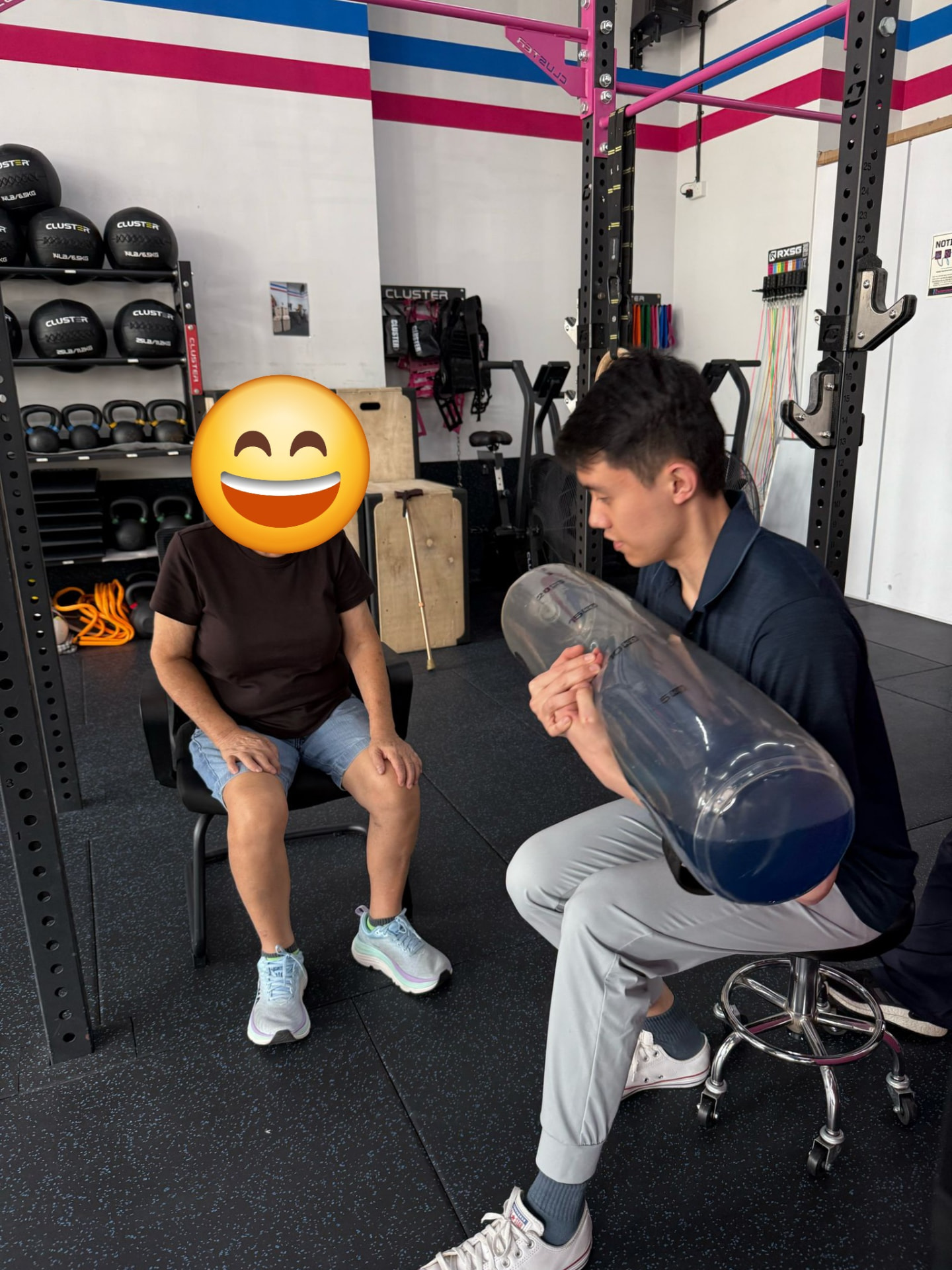
- TMD & Orofacial Pain
- For people experiencing persistent jaw pain, difficulty chewing, restricted mouth opening, headaches, or facial pain that may not be fully catered by dental management alone. Learn More About TMD
- Musculoskeletal Physiotherapy
- For people dealing with persistent pain, recurrent injuries, or movement problems that affect everyday life, work, exercise or sport.
- Rehabilitation × Strength & Conditioning
- For people who want to do more than simply feel better, whether that means returning to lifting, running, sport, work, or higher levels of physical activity.
- Men’s Health
- For men looking for support with physical function, pelvic health, pelvic floor rehabilitation, or other concerns that may affect confidence and quality of life.
How I work
I don’t put you into a box.
Without a medical red flag or precaution, a diagnosis or "syndrome" gives us useful information. However, it does not tell me everything I need to know about the person in front of me. Two people can share the same diagnosis and still have very different symptoms, limitations and needs.
Two people can both feel knee pain when they squat. One is limited by strength and capacity. Another by how they perform the squat.
What matters is understanding what is actually happening for you, and what is most useful to work on first.
That is what clinical reasoning is for.
Explore Clinical InsightsWhat a consultation involves
What You Can Expect
Physiotherapy is not one fixed treatment.
Depending on what is limiting you, a consultation may include:
- • A detailed assessment to understand your problem
- • Clear explanations of what I find and what it means
- • Hands-on treatment when it is useful
- • Individualized exercise and rehabilitation
- • Strength and conditioning when rebuilding physical capacity matters
- • Practical advice for managing your symptoms and activities between sessions
- • A clear direction for what to work on next
The goal is not to give you as many treatments or exercises as possible. It is to identify what matters most, address it, and help you become more capable over time.
Explore Clinical InsightsRehabilitation in your pocket
Physiotherapy continues after your consultation.
Your consultation should not end when you walk out of the room. You leave with something you can actually use. An exercise plan, a way to monitor your symptoms, a progression to work towards, or a clearer understanding of what to do next.
Between appointments, your goals, exercise videos and logs stay with you. The physiotherapist can see how things are actually going on your side.
The aim is to help you become more capable between sessions.
Your rehabilitation, in your pocket.
Book a Clinical AssessmentAlso in your pocket · 01
Your Clinical Blueprint, Always at Hand
View and download your personalized Consultation Reports instantly. Whether for your own reference or for seamless cross-disciplinary medical follow-ups, your clinical data is securely stored within a tap. You will be notified the moment your report is ready.
Also in your pocket · 02
Smart Symptom Diary: Reclaim Your Agency and Narrative
Say goodbye to piecing together vague memories at your next follow-up. This hassle-free log is your 24/7 clinical safety net — no more struggling to describe your symptoms. By capturing pain triggers, the activities preceding them, and your exact recovery timeline in real time, you regain complete ownership of your body's story. These precise insights bridge the communication gap, empowering you and your physiotherapist to collaborate seamlessly and make data-driven decisions for your next clinical milestone.
If you train
Rehabilitation That Understands Training
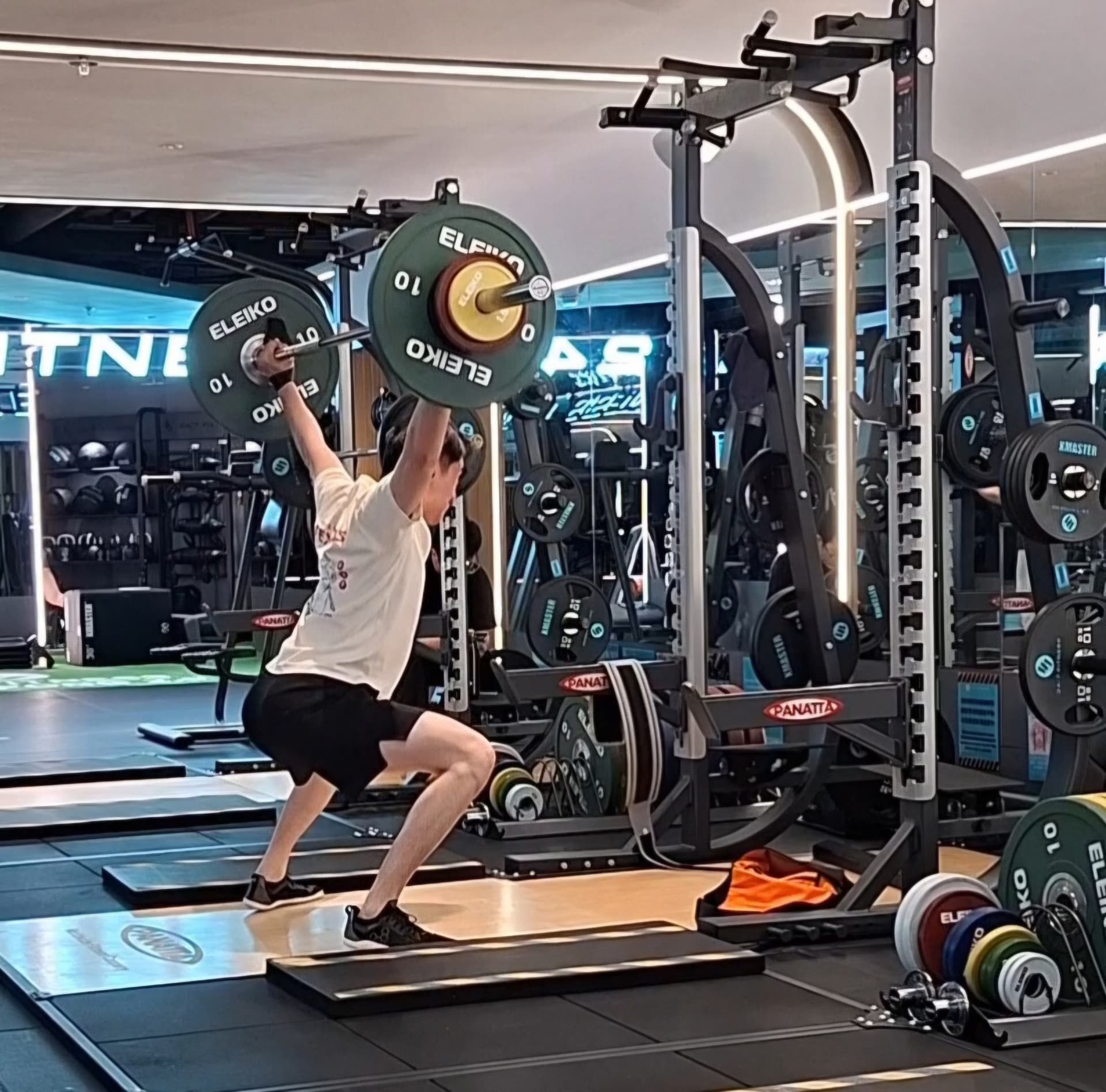
If you lift, run or train regularly, rehabilitation should make sense within the context of your training.
I train myself, and I understand that training is not simply something you need to stop when you are injured. It may be part of your routine, your goals, your identity, your stress management or your performance.
Rehabilitation may therefore involve more than generic exercises. We may consider:
- • How you currently train
- • Exercise selection and technique
- • Training volume and intensity
- • Load management
- • Strength and physical capacity
- • How to modify training without unnecessarily stopping
- • How to progressively return to higher demands
The goal is not to just simply get you out of pain. It is to help you return to training intelligently.
What to expect
Recovery rarely moves in a straight line.
You might feel better for two weeks, then have a flare-up after increasing your training. That does not automatically mean we have gone back to square one.
It gives us new information about what your body can handle right now, and what we may need to work on next.
Why the plan changes
Your rehabilitation should move with you.
I don’t promise a fixed number of sessions or a predetermined treatment pathway. I look for what is most useful to address now. Once that improves, we reassess what is still limiting you.
Sometimes solving one problem reveals another. That is not the plan failing. It is the picture becoming clearer as rehabilitation progresses.
Your body is constantly adapting to what you ask of it. You increase your training, change your routine, return from injury. The demands change. Your rehabilitation should respond to them.
A different way of working
I’m not here to give you more things to do.
You already have enough advice. If you are stretching every morning, doing three exercises, using a massage gun and avoiding certain movements, and the problem still keeps coming back, adding another five exercises may not be the answer.
At different stages of rehabilitation, different things can hold you back:
- Pain.
- Movement Pattern.
- Flexibility.
- Confidence.
- Or simply that your body has not yet built enough strength or capacity for what you are asking of it.
My job is to work out which of these matters most right now, and build it up from there.
What rehabilitation is for
Treatment is not the finish line.
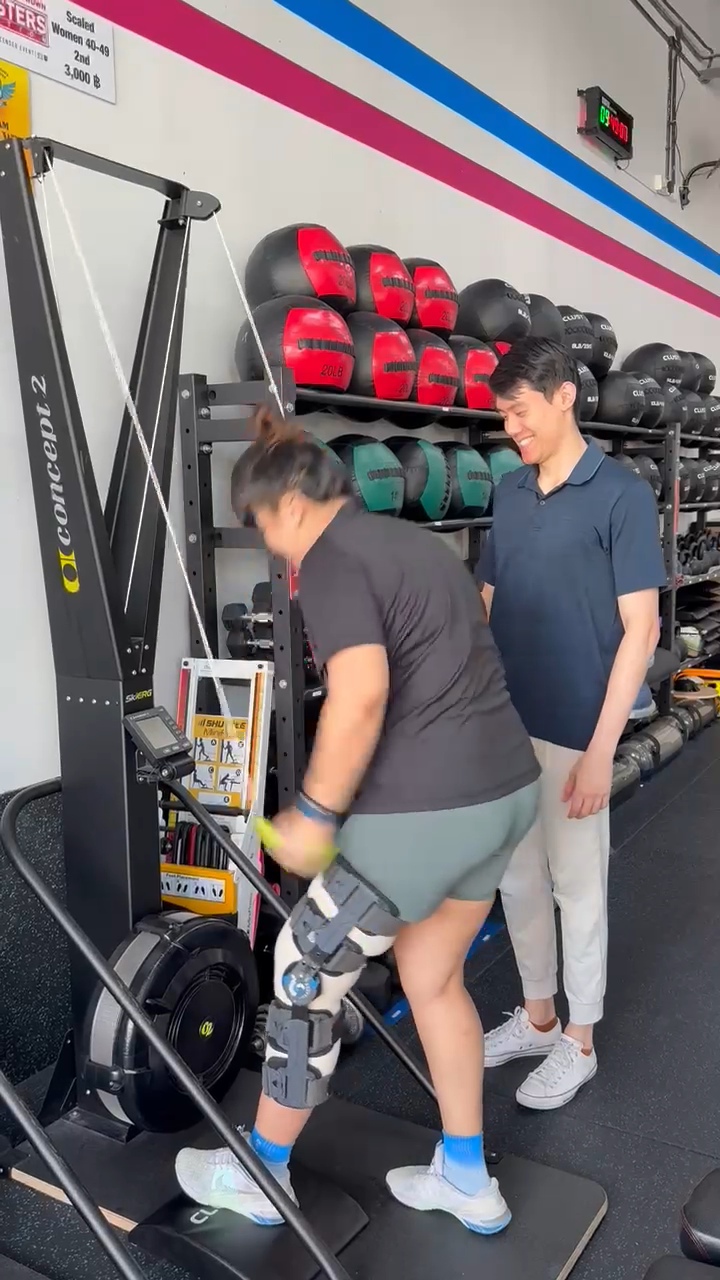
Feeling better matters. But for many people, it is not the final goal.
If you want to get back to lifting, running, sport, work, or simply do everyday things with confidence , the final step is building the capacity to handle those demands again.
That is why rehabilitation continues beyond symptom relief.
What Kind of Physiotherapist Will You Get?
I don’t believe good physiotherapy is about giving every patient the same treatment. You can expect a physiotherapist who will:
- Think before treating.
- Understand what is actually limiting you before deciding what to do.
- Explain what is happening.
- Help you understand what we find, why it may matter, and what we are trying to change.
- Adapt the plan.
- Your symptoms, goals and response provide information. If the picture changes, the plan changes with it.
- Help you become more independent.
- The aim is not to make you dependent on treatment. It is to help you understand your problem and build your capacity to manage it.
- Treat the person, not just the painful area.
- Pain, movement, strength, confidence, training load and daily demands can all influence recovery.
Location
Practising at Pinnacle Performance Central
Your rehabilitation should not have to happen only inside a treatment room.
A training environment where clinical rehabilitation can progress into performance building.
Pinnacle Performance Central
Central, Hong Kong
Start with the problem.
Not sure what treatment you need? That’s okay. You don’t need to diagnose yourself before booking. Just tell me:
- What is happening, and what have you tried?
- What is it stopping you from doing?
- What would you like to get back to?
We can work out the next step from there.